
Blockchain Technology in Real Estate
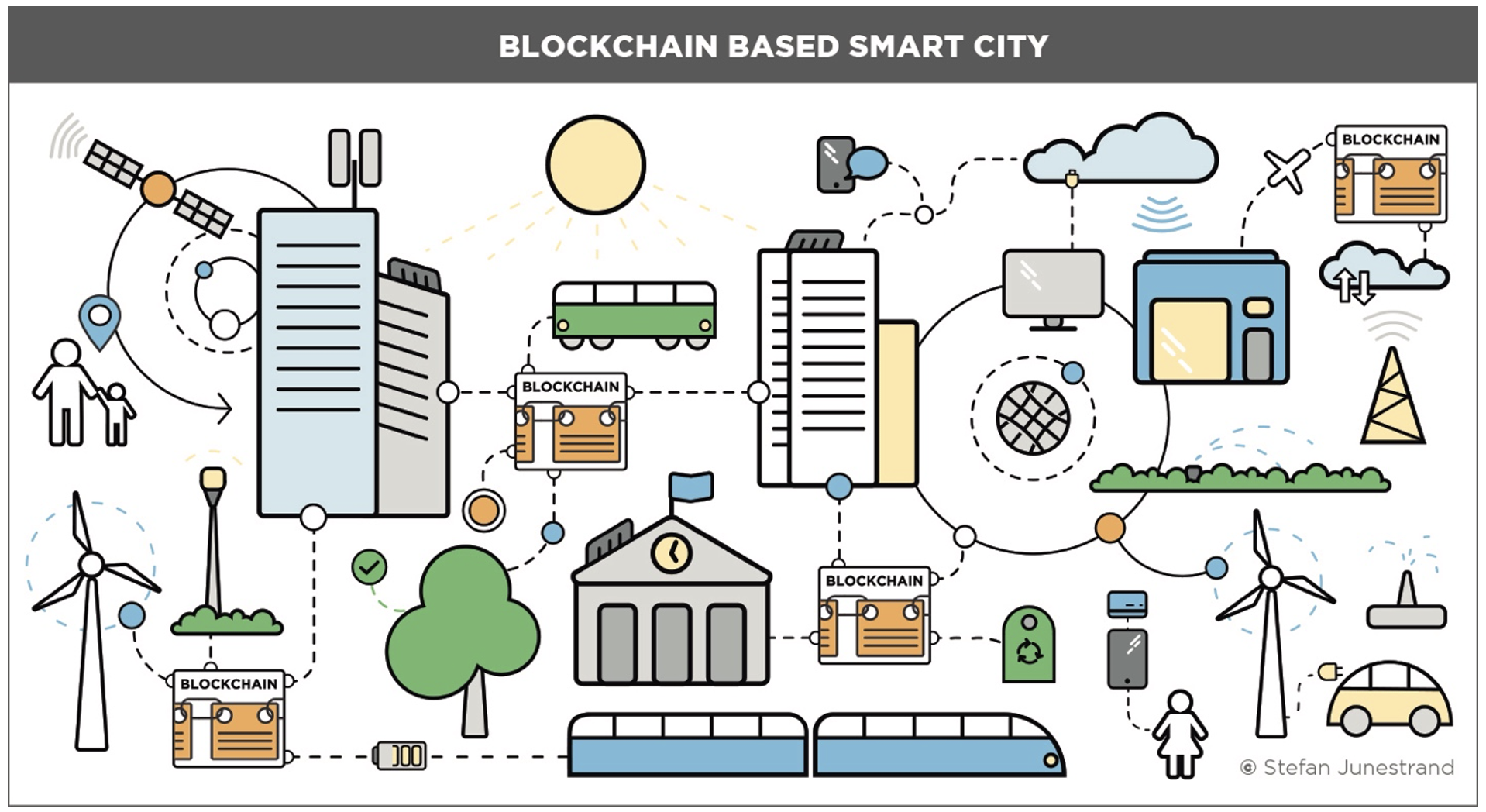
[ad_1]
3. Property Management
The main source of possible value-add with blockchains in property management would be real time, organized, and uniform accounting of asset-level data and operations. This is extremely valuable as evident by startups like Smart Rent achieving great market penetration, impressive fundraising, and even a loftily valued IPO by simply bringing modern technology in the form of an app for tenants to pay rent and for property managers to organize it all.
Another challenge that property managers have that blockchains can solve is identity verification. This once again does not need to be done through blockchain technology, but by using an immutable technology rather than traditional software, it can provide an extra layer of trust. Perhaps more importantly is the tracking of an asset’s maintence history. While traditional software can achieve this as well, verifying work done by contractors and sub-contractors, allowing them to pay in crypto, and tracking all progress in an immutable way through the life of an asset will increase its value when it comes to due diligence for future potential buyers.
4. Development, Construction, and Urban Planning
Larger construction projects have become increasingly difficult to manage with fractured sub-contracting and procurement practices and a lack of supply chain transparency. Blockchains can simplify procurement with reputation management for suppliers and subcontractors and incentivize better performance. Smart contracts can automate contract agreements and payment terms to enhance financial management. Blockchain technology can prove the authenticity of premium goods at their point of origin by associating products with non-fungible tokens and using these as digital blockchain certificates.
Additionally, property development often occurs without input from the local community. The public often feels disenfranchised from the planning processes, unable to express preferences for or make any meaningful differences in the local community. Blockchain-based planning platforms can include educational resources, token-based participation incentives, and a feedback loop between stakeholders, developers, and community members. This would encourage community engagement on a deeper level and better integrate local communities in the property development value chain, improving public confidence and developer services. While community input is not always valuable, it can be valuable for the developer to understand what’s actually happening on the ground level in a community.
[ad_2]
Source link